Danzón for Beginners: Cuba's Elegant Dance and Its Music
Contents
- Danzón in a few words
- Where it comes from: contradanza and habanera
- Miguel Faílde and “Las alturas de Simpson”
- How a classic danzón is built
- The bands: típica and charanga
- From danzón to cha-cha-chá and mambo
- Danzón in Mexico: Veracruz and beyond
- Tips for beginners
- FAQ
- Where did danzón come from?
- Who created danzón?
- How is danzón related to cha-cha-chá?
In short: Wikipedia calls danzón “the official genre and dance of Cuba” and describes it as “a slow, formal partner dance.” It says danzón “evolved from the Cuban contradanza, or habanera,” and that “by 1879, the year Miguel Failde’s Las alturas de Simpson was first performed (in Matanzas), danzón had emerged as a distinct genre.” The Library of Congress blog says Faílde’s orchestra “premiered the first danzón piece” there in 1879. Wikipedia says later development led to the danzón-chá, the cha-cha-chá, and the mambo, and that danzón “was also very popular in the Gulf Coast state of Veracruz, Mexico,” where people still dance it in the main plazas.
If you have read about mambo or cha-cha-chá, you may have seen the word danzón come up as their root. This post looks at where danzón comes from, how a classic danzón is put together, and where it lives on today, in plain English.
Please read this first: I am a curious local in Sapporo, not a musician or a dance instructor, and I am not affiliated with any studio or school. This post organizes what I read in the sources listed at the end. Music history is told in different ways, so if a teacher you trust explains it differently, follow their lead.
Danzón in a few words
Wikipedia’s article on danzón opens by calling it “the official genre and dance of Cuba.” It describes the dance as “a slow, formal partner dance, requiring set footwork around syncopated beats, and incorporating elegant pauses while the couples stand listening to virtuoso instrumental passages.” The Library of Congress blog, in a 2023 post by Maria Peña, says danzón was “born in 19th-century Cuban dance halls” and “eventually became the country’s official national dance.”
| Danzón | What the sources say | |
|---|---|---|
| Where it comes from | Matanzas, Cuba | Wikipedia; Library of Congress blog; USC Scalar |
| Key date | 1879, “Las alturas de Simpson” | Wikipedia; Library of Congress blog; USC Scalar |
| Credited creator | Miguel Faílde | Wikipedia; Library of Congress blog; USC Scalar |
| Roots | The Cuban contradanza, or habanera | Wikipedia |
| Time signature | 2/4 | Wikipedia |
| Status | “The official genre and dance of Cuba” | Wikipedia |
Where it comes from: contradanza and habanera
Wikipedia says the danzón “evolved from the Cuban contradanza, or habanera,” and that the contradanza “had English and French roots in the country dance and contredanse.” The Library of Congress blog also traces the line back to the English country dance, through the French contredanse and the Spanish contradanza.
In Cuba, Wikipedia says, these dances of European origin took on new features from African rhythm and dance. The Library of Congress blog puts it this way: “the danzón melded African rhythms with European musical structure.”
Miguel Faílde and “Las alturas de Simpson”
Here is how each source describes the key moment:
- Wikipedia, “Danzón”: “By 1879, the year Miguel Failde’s Las alturas de Simpson was first performed (in Matanzas), danzón had emerged as a distinct genre.” It adds that “creation of the new danzón form is generally attributed to Faílde,” and that the classical composer Manuel Saumell “has also been cited as a key figure.”
- Wikipedia, “Miguel Faílde”: it calls him “the official originator of the danzón, composer of the first danzón, Las alturas de Simpson,” and gives his life as 1852 to 1921, born in Guacamaro, Matanzas.
- Library of Congress blog: “The father of danzón was Miguel Faílde. His orchestra premiered the first danzón piece, ‘Las alturas de Simpson,’ (‘The Heights of Simpson’) in Matanzas in 1879.”
- USC Scalar (Music in Global America, by Marc Thorman): “In 1879 he created the first danzón,” and the title “was a tribute to Simpson Heights, a neighborhood in his province.” It also says the rhythm is based on the “Cuban cinquillo.”
Note the wording: Wikipedia says the creation “is generally attributed” to Faílde, and also mentions Saumell. Wikipedia also says the Cuban government made Faílde the official inventor of the danzón “but not until 1960.” So “the first danzón” is how these sources describe Faílde’s piece, with that history behind it.
How a classic danzón is built
Wikipedia describes the form Faílde used in “Las alturas de Simpson”:
| Part | What Wikipedia says happens |
|---|---|
| Introduction | Four bars, followed by the paseo |
| Paseo | Four bars. The introduction and paseo repeat. Dancers choose partners and stroll onto the floor, but don’t dance yet |
| Start dancing | Everyone begins “at precisely the same moment: the fourth beat of bar four of the paseo” |
| Melody | A 16-bar melody, then the introduction and paseo again before a second melody |
| Pauses | “When the introduction is repeated the dancers stop, chat, flirt, greet their friends, and start again” |
Those pauses are part of what makes danzón feel so calm and elegant to watch.
The bands: típica and charanga
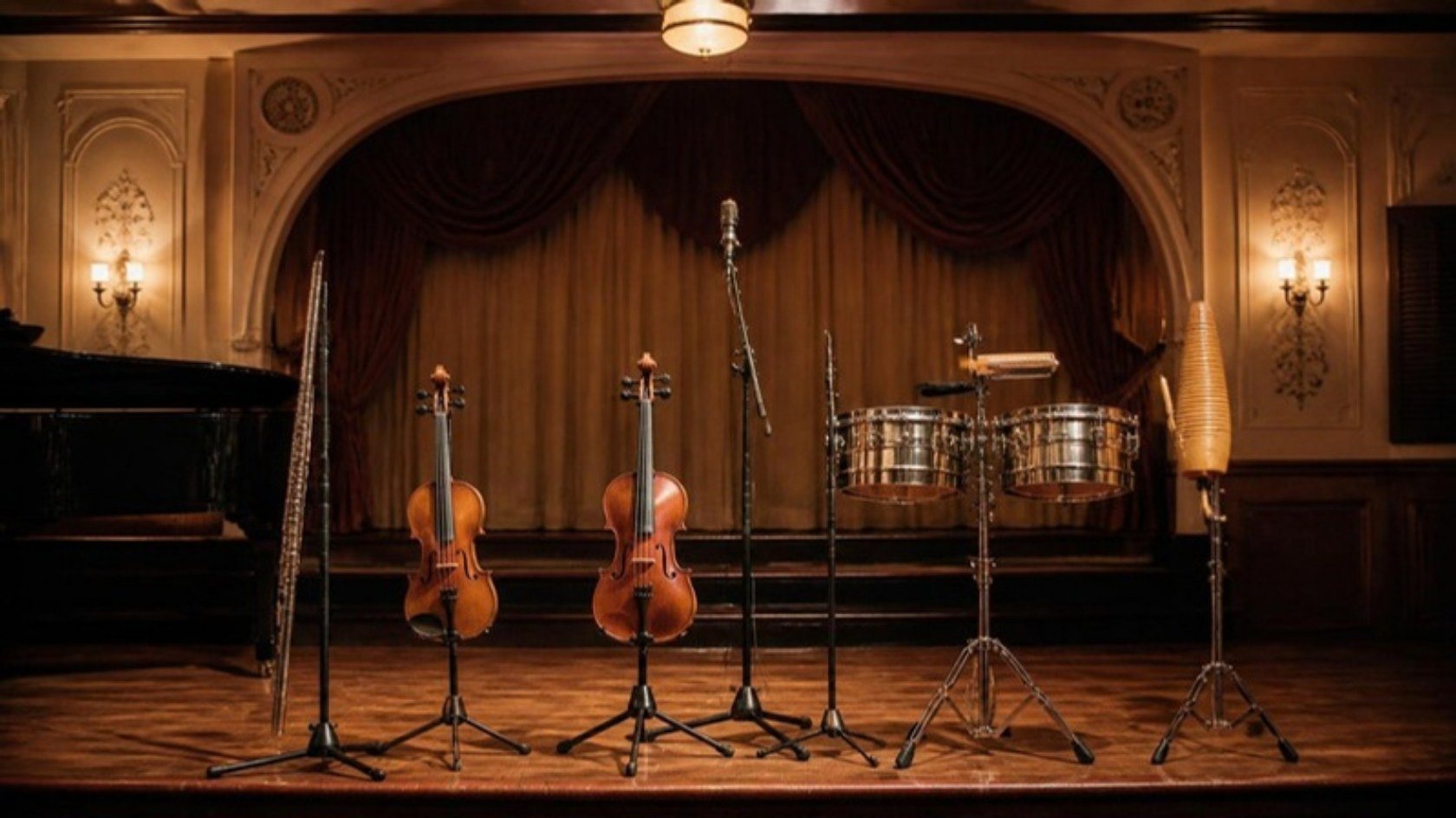
Wikipedia says early danzón was played by orquestas típicas, “which were based on wind instruments.” At the beginning of the 20th century, the charanga emerged, at first with “two violins, a cello, flute, timbales, güiro, and doublebass.” It says that “after 1930 it was clear that the days of the típica were over.”
From danzón to cha-cha-chá and mambo
Wikipedia describes several changes in the 20th century:
- 1910: José Urfé added a montuno as a final part of “El Bombín de Barretto,” bringing something of the son into the danzón. My post Son Cubano for Beginners: The Roots of Salsa in Eastern Cuba explains son.
- 1929: Aniceto Díaz added a vocal part in “Rompiendo la rutina,” creating the danzonete.
- More syncopation: later development “eventually led to the danzón-chá, nuevo ritmo, cha-cha-chá, pachanga and mambo.”
Wikipedia also says that “through the danzón-mambo it was instrumental in the development of mambo and cha-cha-chá.” Its article on the danzón-mambo credits the musicians of Arcaño y sus Maravillas, with the brothers Orestes López and Israel “Cachao” López doing most of the composing and arranging. My post Mambo for Beginners: From Havana to New York’s Dance Floors follows that story to New York.
Wikipedia’s article on cha-cha-chá says it “developed from the danzón-mambo in the early 1950s,” and that its creation “has been traditionally attributed” to Enrique Jorrín, who composed “La engañadora” in 1951. It also cites the Cuban musicologist Olavo Alén, who says cha-cha-chá “appears to be a derivative of danzón.” My post Cha-Cha for Beginners: The Rhythm of ‘Two, Three, Cha-Cha-Cha’ explains the count.
The Library of Congress blog sums up: danzón’s “legacy resonates in dances such as salsa, mambo, cha-cha and bolero.”
Danzón in Mexico: Veracruz and beyond
Danzón did not stay only in Cuba.
| Place | What the sources say |
|---|---|
| Veracruz | “Very popular” there “because of the strong Cuban influence in the region” (Wikipedia) |
| Mexico City | Danzón developed there, “specially in the famous Salón México,” and “has survived as a dance longer there than in Cuba” (Wikipedia) |
| Oaxaca | Danzón “also flourished” there (Wikipedia) |
| Today | People still dance danzón “in the main plazas of Veracruz, Oaxaca and Mexico City, and in yearly festivals across Mexico” (Wikipedia) |
Wikipedia adds that the dance had a second revival in the 1990s, “especially among Mexico’s senior citizens.” The Library of Congress blog says danzón “continues to thrive outside the big island’s borders, in Mexico and beyond,” and mentions the 1991 Mexican film “Danzón” by María Novaro, which follows a dancer’s search for her partner in the port town of Veracruz.
In Cuba itself, Wikipedia says danzón was the dominant popular music “until the advent of the son in the 1920s,” and now calls it “a relic dance” there.
Tips for beginners
These are my own suggestions, not rules from the sources.
- Listen for the paseo. Try to hear the short introduction and paseo come back between the melodies, and notice when the dancing would start and stop.
- Notice the instruments. Listen for the flute, violins, timbales, and güiro of a charanga.
- Connect the family tree. After a danzón, try a cha-cha-chá or a mambo recording and listen for what changed.
- Ask a teacher about the steps. The sources I checked describe the music and history more than the footwork, so a teacher is the best guide for how to dance it.
Danzón grew from the contradanza and habanera, took shape in Matanzas with Miguel Faílde, and later fed into the danzón-mambo, the cha-cha-chá, and the mambo. In Mexico, people still dance it in the plazas. Next time you hear a slow, elegant Cuban piece with pauses, you may be listening to the root of dances you already know.
FAQ
Where did danzón come from?
From Cuba. Wikipedia says it “evolved from the Cuban contradanza, or habanera,” and that by 1879, when Miguel Faílde’s “Las alturas de Simpson” was first performed in Matanzas, danzón “had emerged as a distinct genre.”
Who created danzón?
Wikipedia says “creation of the new danzón form is generally attributed to Faílde,” and also mentions Manuel Saumell as a key figure. The Library of Congress blog calls Miguel Faílde “the father of danzón” and says his orchestra “premiered the first danzón piece” in Matanzas in 1879.
How is danzón related to cha-cha-chá?
Wikipedia says that through the danzón-mambo, danzón “was instrumental in the development of mambo and cha-cha-chá,” and that cha-cha-chá “developed from the danzón-mambo in the early 1950s,” with its creation traditionally attributed to Enrique Jorrín.
Sources checked: Wikipedia, “Danzón”, Wikipedia, “Miguel Faílde”, Wikipedia, “Danzón-mambo”, Wikipedia, “Cha-cha-chá (music)”, Library of Congress blog, “Dancing the Danzón: Hispanic Heritage Month” (Maria Peña, October 11, 2023), Music in Global America (Marc Thorman, USC Scalar), “Miguel Failde, ‘Las Alturas de Simpson’ (Danzón)”. Checked on October 7, 2026. Music history is described in different ways by different writers. Corrections are always welcome.