Merengue for Beginners: An Easy Latin Dance to Start
Contents
- Merengue in a few words
- The basic step: a walk on every beat
- Partner hold and connection
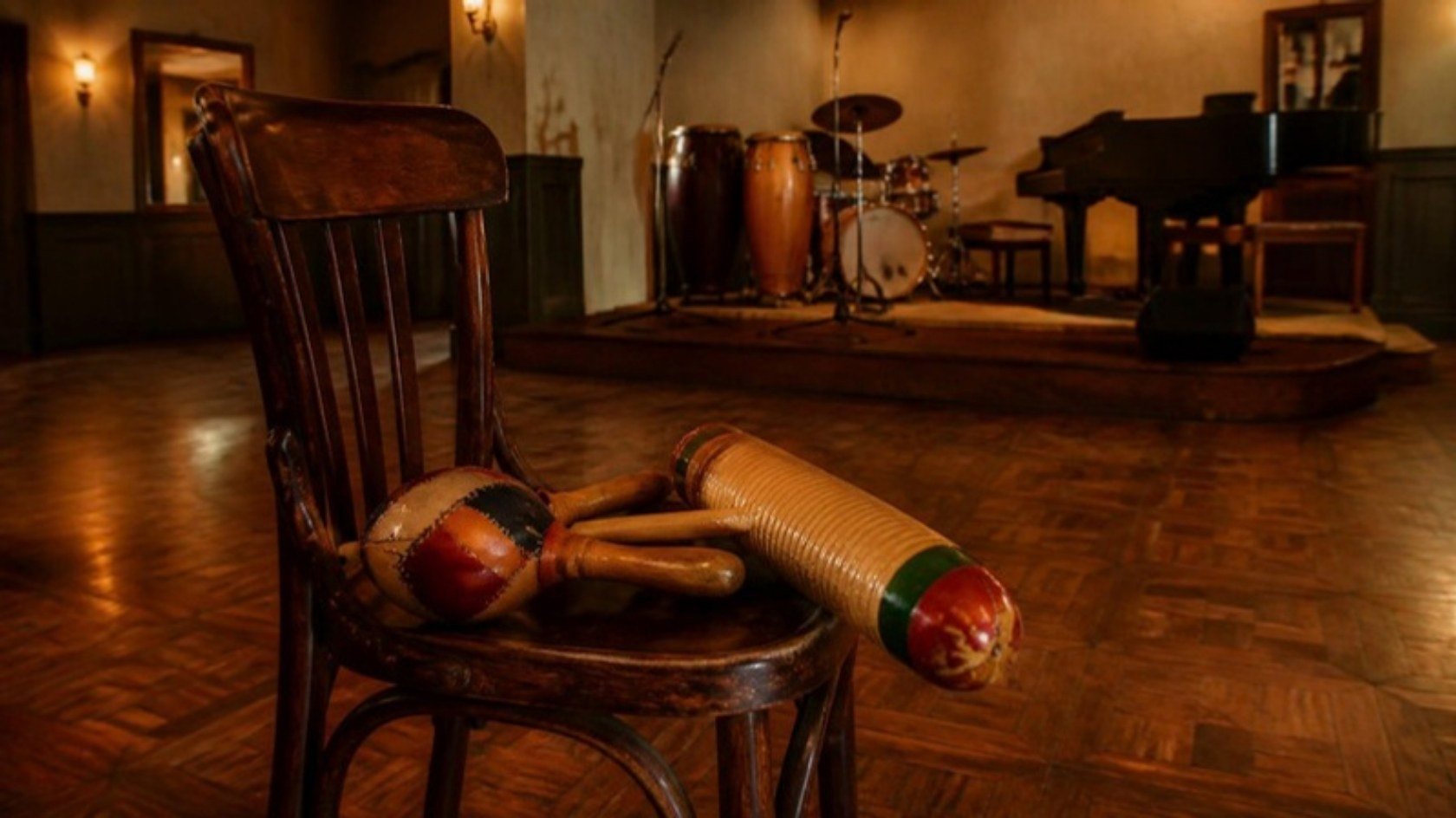
- The music: accordion, tambora, and güira
- Where merengue fits at a social
- Why beginners often start with merengue
- FAQ
- Where does merengue come from?
- What is the basic step in merengue?
- What instruments are used in merengue music?
In short: merengue comes from the Dominican Republic, and UNESCO added the music and dance of the merengue in the Dominican Republic to its Representative List of the Intangible Cultural Heritage of Humanity in 2016. The basic step is a simple walk or march with a step on every beat, with soft knees that let the hips move. Traditional merengue music is built on the accordion, the tambora drum, and the güira. At mixed Latin nights, it often shows up as a song or two between salsa and bachata.
If you have tried salsa or bachata, you may have heard a fast, bright song with an accordion and seen the whole floor start marching. That is very likely merengue. SalsaVida says it is often one of the first Latin social dances beginners learn, and this post looks at what it is, in plain English.
Please read this first: I am a curious local in Sapporo, not a dance instructor or a musician, and I am not affiliated with any studio or school. This post organizes what I read in the sources listed at the end. Teachers explain steps and counting in different ways, so if your class says something different, follow your teacher.
Merengue in a few words
Wikipedia’s article on merengue music says the music developed in the Dominican Republic in the mid-19th century, in the Cibao region around Santiago. SalsaVida’s guide to merengue dance adds that the earliest documentary reference appears in an 1854 newspaper, and that the dance likely developed earlier from a mix of European ballroom traditions, African influences, and local Dominican practice.
Wikipedia’s merengue dance article calls it the national dance of the Dominican Republic and says it is important to national identity. UNESCO’s page says merengue is considered part of the national identity of the Dominican community, and that November 26 was declared National Merengue Day by presidential decree in 2005.
According to UNESCO, the music and dance of the merengue in the Dominican Republic was inscribed on its Representative List of the Intangible Cultural Heritage of Humanity in 2016.
| Merengue | What the sources say | |
|---|---|---|
| Where it comes from | Dominican Republic | Wikipedia; UNESCO |
| When it developed | Mid-19th century | Wikipedia (music); SalsaVida mentions an 1854 newspaper |
| UNESCO list | Representative List, 2016 | UNESCO |
| Traditional instruments | Accordion, tambora, güira | Wikipedia (music); SalsaVida |
| National day | November 26 | UNESCO |
The basic step: a walk on every beat
Most beginner guides describe the merengue basic as very simple. SalsaVida describes a step on every beat with a steady “1-2-3-4” rhythm and a relaxed side-to-side or marching feel. Ballroom Pages also counts it as “1-2-3-4,” with a step or weight change on every beat.
Here is the basic idea, put together from those guides:
- March in place. Step left, step right, one step for each beat of the music, like a relaxed march.
- Keep the knees soft. Wikipedia describes partners bending their knees slightly left and right, which makes the hips move. The hip motion comes from the weight change, not from pushing the hips.
- Keep the steps small. Ballroom Pages describes merengue steps as compact and grounded, with no heavy stomping.
- Try a side basic. Ballroom Pages describes stepping to the side, closing the feet with a weight change, and repeating to the left and right.
| Count | What your feet do | What to keep in mind |
|---|---|---|
| 1 | Step (left, for example) | Change your weight fully onto that foot |
| 2 | Step (right) | Soft knees; let the hips follow |
| 3 | Step (left) | Small steps, no stomping |
| 4 | Step (right) | Stay with the steady beat |
SalsaVida adds a useful reminder: the basic step is easy to learn, but good merengue is more than marching in place. Once the walk feels natural, teachers add turns and arm patterns, one at a time.
Partner hold and connection
Wikipedia describes the closed position this way: the leader holds the follower’s waist with the right hand, and holds the follower’s right hand with the left hand at the follower’s eye level. SalsaVida describes a relaxed partner hold in closed or open positions, with the movement kept compact.
Ballroom Pages says partners use a gentle connection without a stiff frame, and that the leader suggests direction through body movement and timing rather than by pulling with the arms.
The music: accordion, tambora, and güira
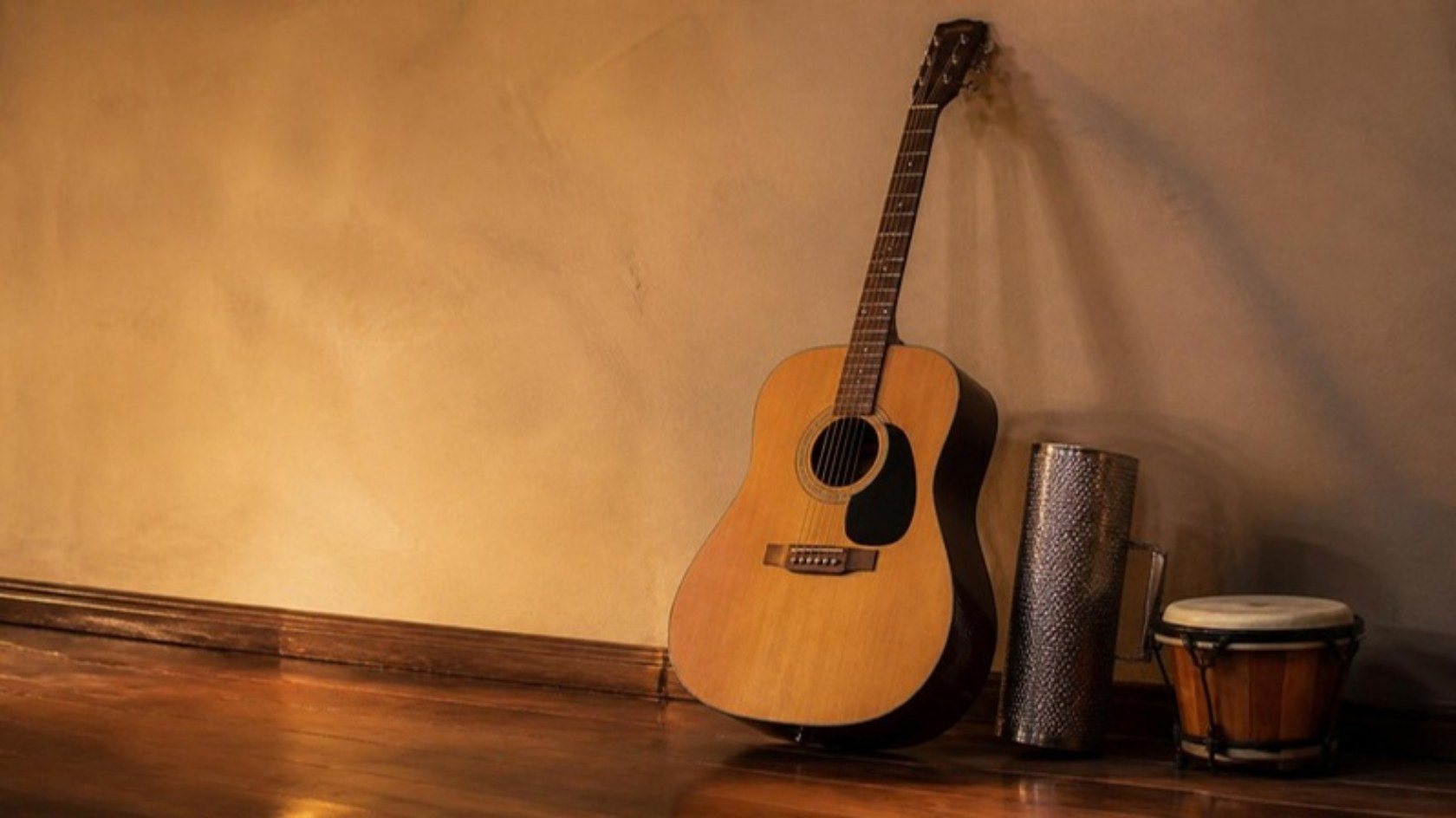
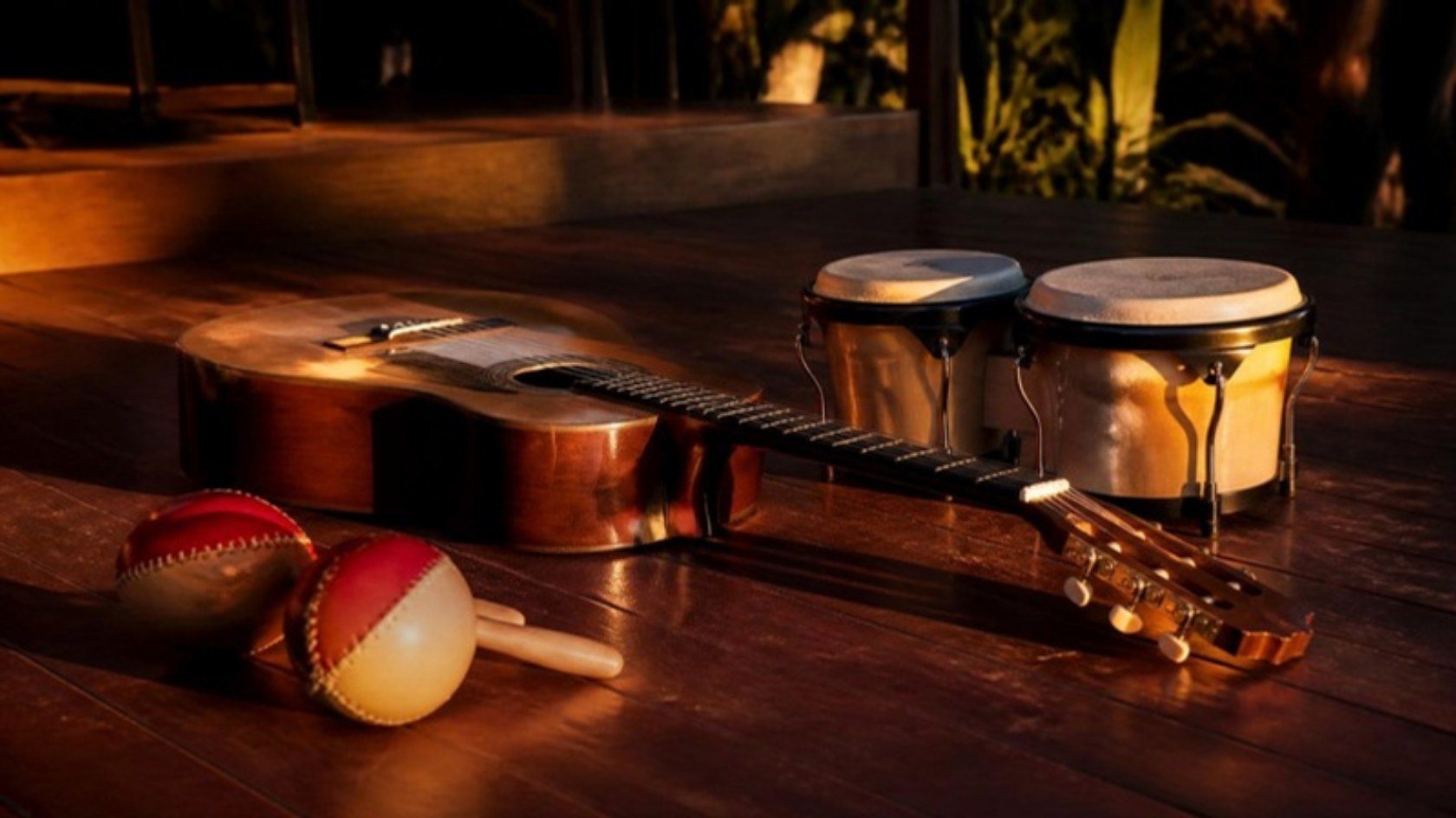
Wikipedia’s merengue music article describes a typical ensemble of three core instruments:
- Accordion. Wikipedia says it replaced stringed instruments such as the bandurria and guitar in the 1880s.
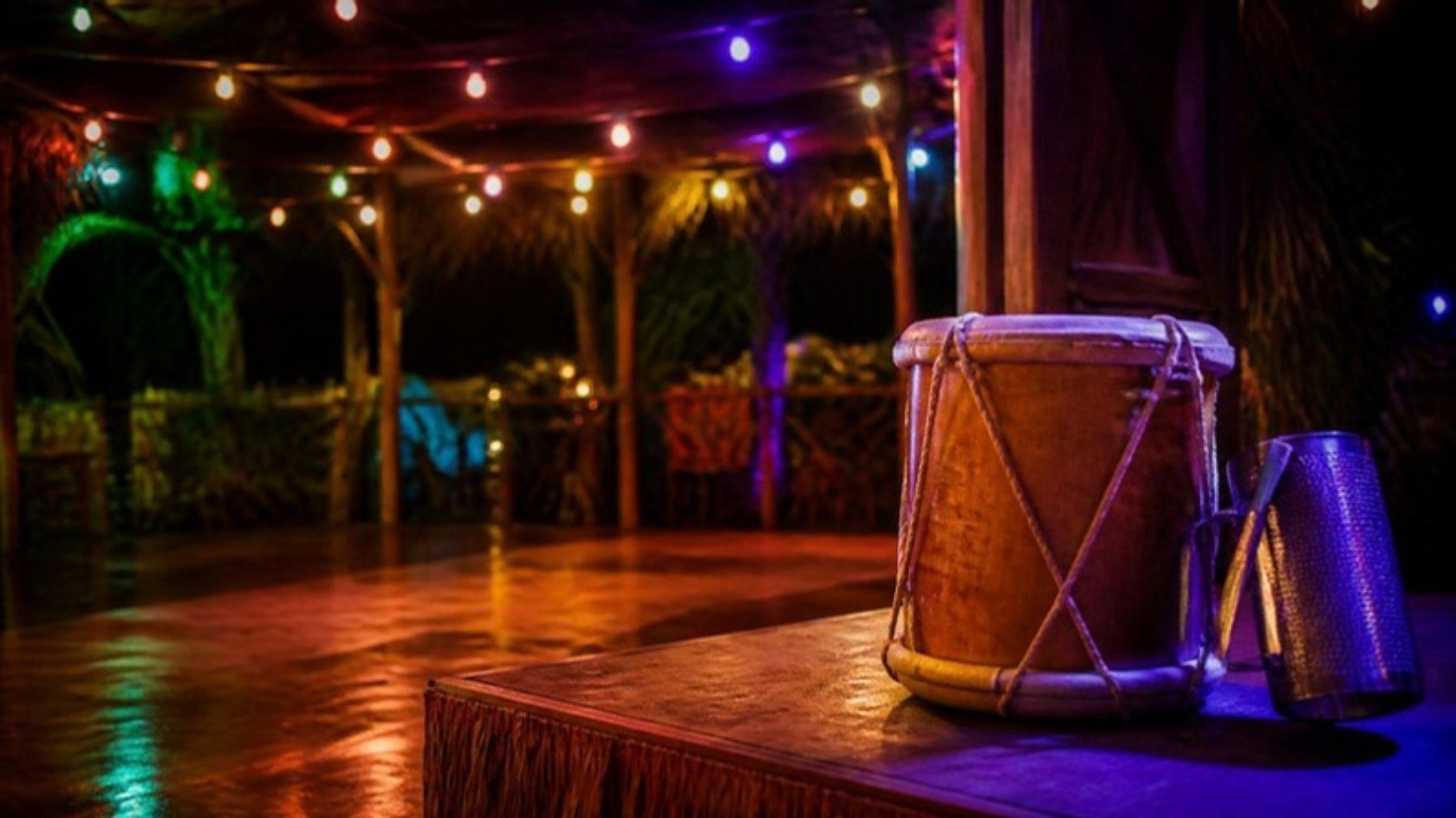
- Tambora. A two-headed drum, played on the lap.
- Güira. A metal instrument played with a stiff brush. You may know it from bachata, too; see Bachata Music for Beginners: Guitar, Bongo, and the Count.
SalsaVida says the sound has a strong, steady pulse, with the tambora and the güira as essential instruments. It describes traditional merengue típico as centered on accordion, tambora, and güira, and says modern orchestral versions add horns, piano, and bass. UNESCO’s page also mentions the accordion, drum, and saxophone.
On timing, the sources describe it a little differently. Wikipedia’s music article describes fast arrangements with a 2/4 beat, while its dance article mentions 4/4. For a beginner on the dance floor, the practical point from Ballroom Pages and SalsaVida is the same: the beat is steady, and you step on every beat.
Where merengue fits at a social
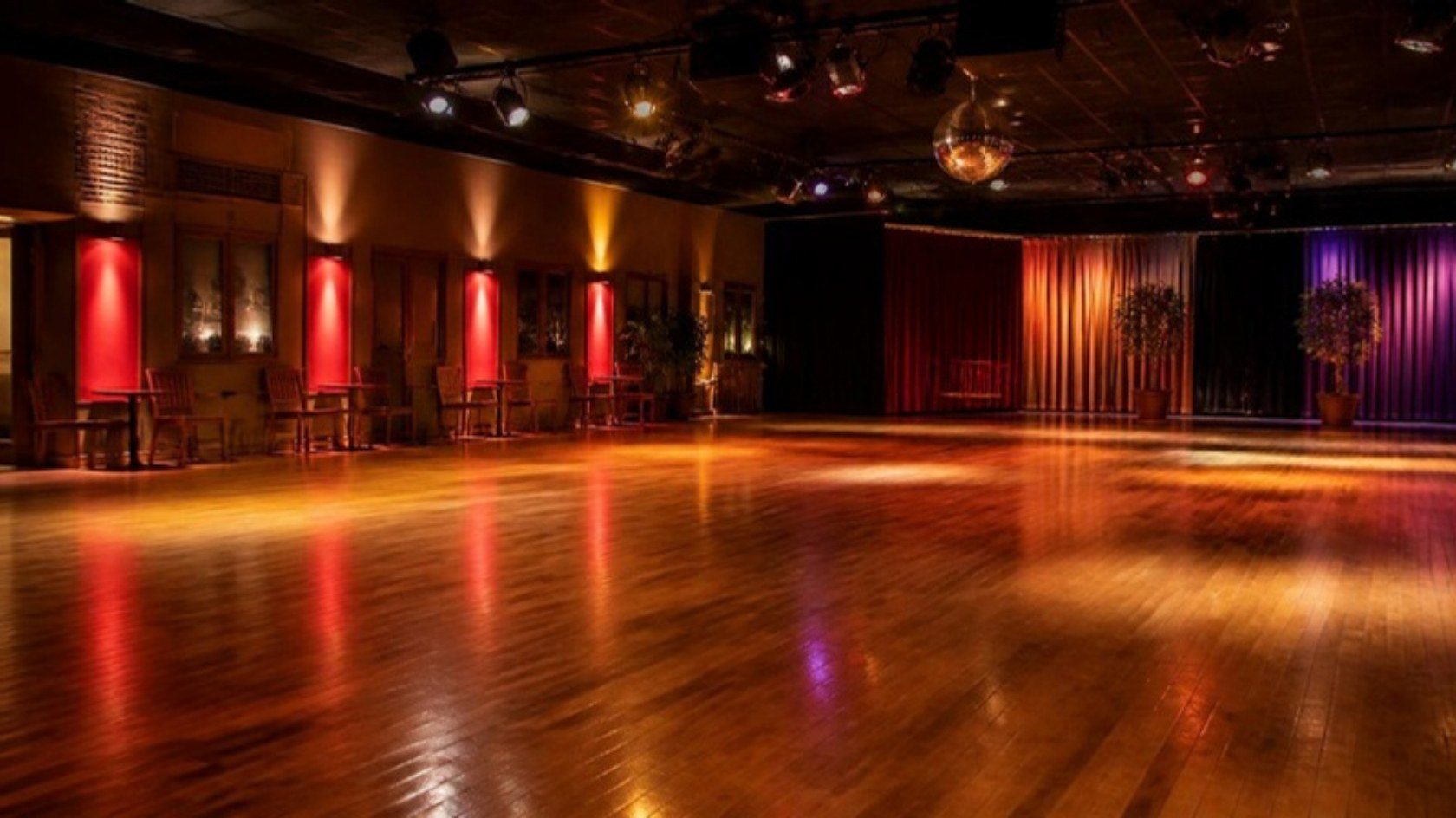
SalsaVida says merengue appears at mixed Latin nights, Dominican clubs, and community celebrations. It also says merengue is less common at highly specialized salsa socials, bachata socials, and large congress-style events, where it typically appears as a song or two to change the energy.
Ballroom Pages says merengue is useful at Latin socials, receptions, and parties, and that its compact footwork suits crowded floors. UNESCO describes merengue as part of daily life in the Dominican Republic, from education to social gatherings and celebrations, and says it attracts people of different social classes.
When a merengue comes on at a social, the usual etiquette still applies: ask politely, accept a no gracefully, and keep your steps small on a busy floor.
Why beginners often start with merengue
Ballroom Pages calls merengue one of the easiest Latin social dances, because you step on every beat without learning syncopation first. It lists the skills merengue builds: hearing a steady beat, changing weight clearly, moving with a partner, and keeping steps compact. SalsaVida says merengue is often one of the first Latin social dances beginners learn, because the rhythm is easy to hear and the basic step is straightforward. Wikipedia’s dance article describes it as accessible to people with or without dance experience.
Ballroom Pages also lists common mistakes for beginners:
- Taking steps that are too big
- Stomping heavily
- Holding a stiff frame or pulling a partner
- Losing the beat
- Trying too many turns too early
If you plan to move on to other dances, salsa adds a pause in the count and bachata adds a tap. See What Is Salsa? A Beginner’s Guide to Its Roots, Rhythm, and Basic Step and Bachata for Beginners: The Basic Step and Feeling the Rhythm for each one.
Whether merengue is “the easiest” depends on the dancer, but its steady beat makes it a friendly place to begin. Put on a merengue song, find the beat, and walk with it.
FAQ
Where does merengue come from?
Merengue comes from the Dominican Republic. Wikipedia says the music developed there in the mid-19th century, in the Cibao region. UNESCO added the music and dance of the merengue in the Dominican Republic to its Representative List of the Intangible Cultural Heritage of Humanity in 2016.
What is the basic step in merengue?
Beginner guides describe a step on every beat. SalsaVida describes a steady “1-2-3-4” rhythm with a side-to-side or marching feel, and Wikipedia describes slightly bent knees that make the hips move from side to side. Ballroom Pages adds that the steps stay small, without stomping.
What instruments are used in merengue music?
According to Wikipedia, a typical traditional ensemble uses the accordion, the tambora (a two-headed drum), and the güira (a metal instrument played with a brush). SalsaVida says modern orchestral versions add horns, piano, and bass, and UNESCO’s page mentions the saxophone.
Sources checked: UNESCO, “Music and dance of the merengue in the Dominican Republic”, Wikipedia, “Merengue music”, Wikipedia, “Merengue (dance)”, SalsaVida, “Merengue (Dance)”, Ballroom Pages, “Merengue”. Checked on October 7, 2026. Teaching methods and counting vary by teacher and region. Corrections are always welcome.