Salsa vs. Bachata: What's the Difference?
Contents
Salsa and bachata are two widely danced Latin social dances. At many socials, you may hear both kinds of music in one night. If you are new, they can look similar at first: two people dancing together to Latin music. But they come from different places, sound different, and feel different to dance.
Please read this first: I am a curious local in Sapporo, not a dance instructor. This post is a general comparison based on what I have read. Teachers and communities may explain things differently, so if your class says something else, follow your teacher.
Two dances, two origins
Salsa is generally traced to Afro-Cuban music, especially a style called son, together with other Caribbean styles. As a named genre, it is usually linked with New York City in the 1960s and 1970s, where musicians from Caribbean communities, many of them Puerto Rican, played and recorded it. A Library of Congress research guide describes salsa as born in New York City in the 1960s (Library of Congress). Its identity has been debated for a long time, as I explain in What Is Salsa?.
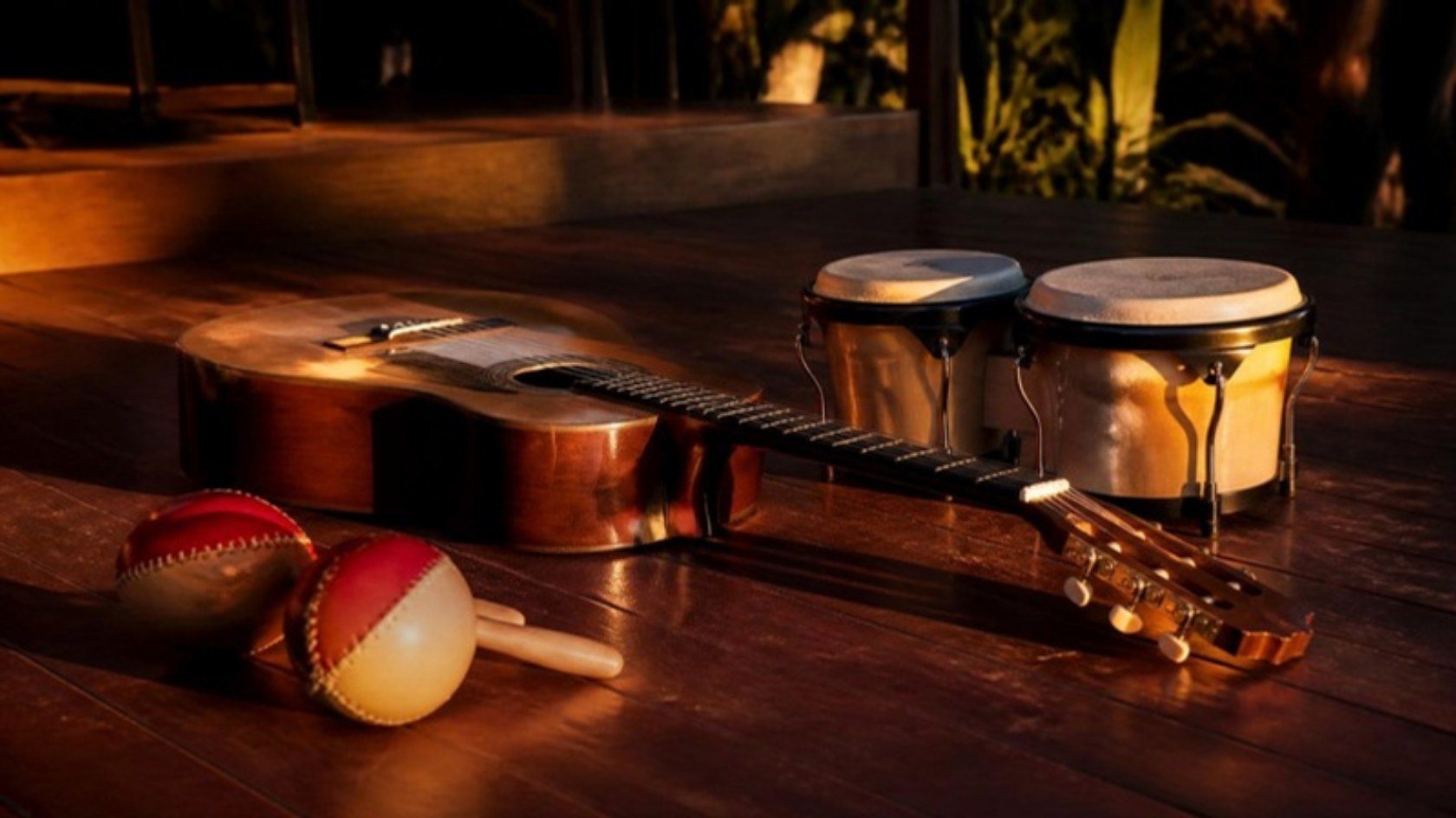
Bachata comes from the Dominican Republic. UNESCO added Dominican bachata music and dance to its Representative List of the Intangible Cultural Heritage of Humanity in 2019. The UNESCO page describes bachata as a fusion of rhythmic bolero with other Afro-Antillean genres such as son, cha-cha-cha, and merengue, played with one or two guitars as lead instruments and percussion of bongos, maracas, and a guiro, accompanied by a bass. It also notes that electric guitars are widely used nowadays (UNESCO).
Bachata also has an important social history. According to Wilfredo José Burgos Matos, a scholar of Latin American and Latino studies at Lehman College, CUNY, bachata was born in the Dominican countryside and later developed in the shantytowns of Santo Domingo, the capital. For a long time, it was associated with the lower classes and looked down on by urban and middle-class Dominicans, and it was played almost exclusively on one Santo Domingo radio station. Its first recording came in 1962, and by the 1990s, the stigma began to fade as the music found international success (The Conversation).
Knowing this history helps us dance with respect. Bachata was once looked down on. Today it is loved around the world, and it remains an important part of Dominican culture.
Here is a simple overview of the two dances. These are general tendencies, not strict rules.
| Salsa | Bachata | |
|---|---|---|
| Generally traced to | Afro-Cuban music such as son; grew as a genre in New York | The Dominican Republic |
| Typical sound | Brass, piano, and many percussion instruments | Guitars lead the melody, with bongos, maracas, a guiro, and bass |
| Basic count | 1-2-3, pause, 5-6-7, pause | 1-2-3-tap, 5-6-7-tap |
| Typical feel | Quick footwork, many turns | Smooth, with a small hip movement on each step |
| Hold | Often open, with hands connected | Ranges from open to close, depending on style and partner |
Music and count
The biggest difference for a beginner is the count.
In salsa, dancers usually step on three beats and pause on the fourth: 1, 2, 3, (pause), 5, 6, 7, (pause). The pause is part of the rhythm.
In bachata, dancers usually step on three beats and then do a small tap (or a little lift of the hip) on the fourth: 1, 2, 3, tap, 5, 6, 7, tap. Many people find the bachata basic easier to learn on day one, because the step simply goes side to side.
The music sounds different, too. In bachata songs, you will often hear a guitar playing a clear, repeating melody, and many lyrics are about love, longing, and heartbreak. UNESCO notes that bachata lyrics often express deep feelings of love, passion, and nostalgia. Salsa songs often feel busier, with layers of percussion, piano, and horns.
A listening tip: before you try the steps, try clapping along to the steady beat of a song and counting “1, 2, 3, 4” again and again. When you can do that easily, try saying “tap” instead of “4.” This works for salsa, too: just say “pause” on 4 and 8.
Feel and hold
Salsa often feels quick and playful. In many styles, there are many turns, and partners often dance at arm’s length with hands connected.
Bachata often feels smooth and flowing. The hold can be closer, depending on the style and the people dancing. Some styles use an open hold, and others use a close embrace.
This is important: you can always choose how close you dance. If a close hold is uncomfortable for you, it is completely fine to say so, for example, “Can we dance with a more open hold?” A good partner will respect that. Comfort and consent come first in any style. For more on this, see Social Dance Etiquette for Beginners.
Bachata styles you may hear about
Like salsa, bachata has several style names. The names are not fixed, and different teachers and communities may use them in different ways. Here are a few you may see:
| Name you may hear | What it usually refers to |
|---|---|
| Dominican bachata | Often used for styles close to how bachata is danced in the Dominican Republic, with lively footwork |
| Modern bachata | Often used for a style that mixes in turns and patterns from other dances |
| Sensual bachata | Often used for a style with body waves and close connection |
Some classes mix these styles, and some use completely different names. If you are not sure what a class teaches, ask the organizer.
Which one should you try first?
There is no right answer. Both are popular, and many people enjoy both. Here are some ways to think about it:
- If you like quick rhythms and turns, salsa might feel fun.
- If you like smooth movement and guitar melodies, bachata might feel natural.
- If you can’t decide, try a trial or beginner class in each and see how you feel.
- If you mostly want to go to socials, it can help to learn the basics of both, because many socials play more than one kind of music.
Whatever you choose, take your time. Enjoying the music is a good place to start.
If you live in Sapporo or are visiting, look for classes and socials through official websites or community pages and check the latest information, because schedules and details can change.
FAQ
Is bachata easier than salsa for beginners?
Many people find the bachata basic step easier at first, because it goes side to side with a simple tap. But every dance has its own challenges, and people learn in different ways.
Where does bachata come from?
Bachata comes from the Dominican Republic. UNESCO added Dominican bachata music and dance to its Intangible Cultural Heritage list in 2019.
Can I ask to dance with a more open hold in bachata?
Yes. You can always choose how close you dance. It is fine to ask for a more open hold, and a respectful partner will adjust.